You pay every month for access to potential customers. Then the same enquiry goes to three or four other tradespeople in your area.
Now you are competing on price before you have even spoken to the customer.
The cheapest quote often wins. Your experience, reviews and quality of work can become secondary.
Lead platforms can bring volume and convenience. They give you a ready-made place to appear when someone needs a plumber, electrician, builder or roofer. That can be useful, especially when you are starting out.
But if you are paying £300–£500 a month, the maths deserves a proper look.
That is £3,600–£6,000 every year. After five years, you may have spent £18,000–£30,000 and still own nothing apart from your profile and any reviews held on the platform.
Here are five straightforward alternatives.
First, what are you actually paying for?
Lead platforms use different pricing models. Some charge a monthly membership. Some charge for each lead or shortlist. Others use credits, annual fees or a mixture of charges.
The exact amount varies by trade, location, job type and how many leads you buy. A busy area or high-value trade can quickly push the monthly total upwards.
The benefit is convenience. You do not need to build a website, attract visitors or manage your own marketing. The platform already has an audience.
The trade-off is control. The platform owns the customer journey, decides how businesses are displayed and may send the same customer to several tradespeople.
| Option | Typical monthly cost | Who owns the enquiries? | Approximate year-one cost | Minimum term | What you keep if you leave |
|---|---|---|---|---|---|
| Shared lead platform | £300–£500 in this example | Usually shared or controlled by the platform | £3,600–£6,000 | Varies | Limited profile presence and platform-held reviews |
| Your own website | £49 with Trade Sites UK | Enquiries go directly to you | £588 | None | Your domain is registered in your name, plus your business content and customer information |
| Google Business Profile | £0 direct cost | Direct enquiries, but Google controls visibility | £0 | None | Your profile, reviews and business listing |
| Word of mouth and reviews | Usually £0 direct cost | Direct to you | £0, excluding your time | None | Your relationships, reputation and reviews |
| Social media | £0 to start; advertising is optional | Direct if customers contact you | £0 upwards | None | Your social profiles and published content |
| Hybrid approach | Platform cost plus website cost | Platform leads may be shared; website enquiries are yours | £4,188–£6,588 at £300–£500 plus £49/month | Varies | Your website, domain and direct enquiry channel |
The table does not mean a website produces instant enquiries. It does not. Google visibility usually builds over weeks and months, and results vary depending on your area, trade and competition.
It does show the difference between renting access to leads and building a channel that remains connected to your business.
1. Build a website where the enquiries are yours
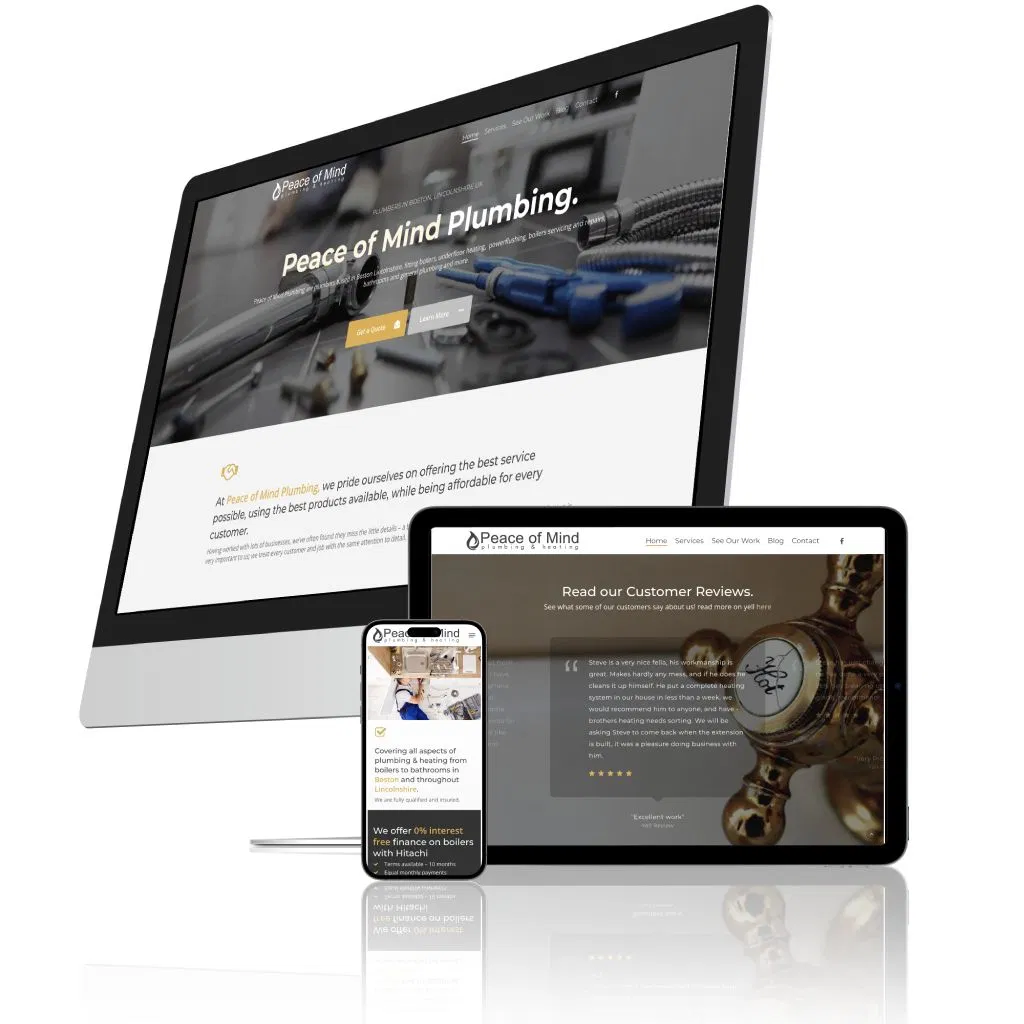
The clearest alternative is a proper website on your own domain.
When a customer finds your website through Google, they see your services, your reviews, your previous work and your contact details. They do not see four competing traders beside you.
That changes the conversation. You are no longer trying to be the cheapest profile in a directory. You can explain what you do, where you work and why customers choose you.
A useful trade website should include:
- A clear description of your main services
- The towns and areas you cover
- Photos of completed work
- Genuine reviews and trust signals
- A visible phone number
- A simple quote or enquiry form
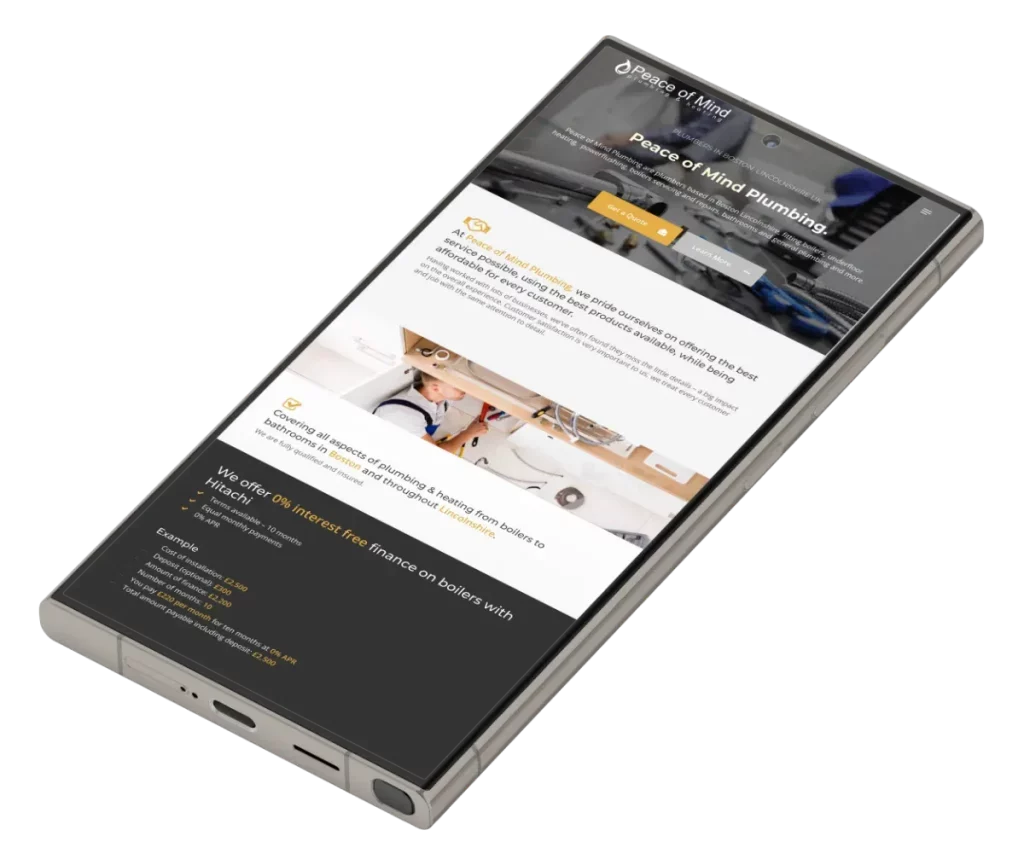
- Pages that work properly on mobile
This is where local web design for trades matters. A generic website may look attractive but still fail to explain what you do or help local customers contact you.
You do not need a complicated system. You need a focused website that answers three questions quickly:
- What work do you do?
- Where do you work?
- How can the customer contact you?
Trade Sites UK builds and manages websites for £49 a month, with no upfront cost and no minimum term. The domain is registered in your name, and enquiries from the site go to you rather than being shared with other tradespeople.
You receive a full preview before paying anything. That removes much of the risk associated with hiring a web designer.
For more detail on the numbers, see the Trade Sites UK pricing page.

2. Set up your Google Business Profile properly
A Google Business Profile is free. It can appear in Google Maps and local search when someone looks for a nearby service.
For some trades, it is one of the best places to start. If someone searches for “emergency electrician near me” or “plumber in Chesterfield”, your profile may appear before they visit any website.
Your profile should include:
- The correct business name and phone number
- Accurate opening hours
- Your service area
- Proper trade categories
- Recent photos of your work
- A link to your website
- Genuine customer reviews
- Clear information about the jobs you accept
It is also important to keep it active. Add new photos occasionally, respond to reviews and correct any outdated details.
A Google Business Profile works better with a website behind it. The profile can show your phone number, but your website gives customers somewhere to check your services, experience and previous work.
That is especially useful for searches such as “best place to advertise electrician”. A profile may help people find you, while a clear website gives them a reason to contact you.
Google controls the visibility of your profile, so it is not the same as owning search results. But it is a sensible free foundation for local marketing.
You can read more about building a simple enquiry system in How to Get More Local Enquiries.
3. Use word of mouth properly, with reviews customers can find
Word of mouth is still one of the strongest sources of work for tradespeople.
The problem is that a recommendation often stops with a name and a phone number. The customer then searches for you and finds very little. If they cannot confirm what you do, where you work or whether you are still active, they may contact someone else.
Make your reputation easier to check.
Ask happy customers for a genuine Google review after you complete a job. Add reviews to your website where appropriate. Take photographs, with permission, and keep a simple record of the work you have completed.
You do not need to pressure every customer. A straightforward message is usually enough:
Thanks for using us. If you were happy with the work, would you mind leaving a quick Google review? It helps other local customers find us.
Reviews are not a replacement for visibility. They support it.
A customer who hears your name from a neighbour and then sees recent reviews, completed work and a professional website is more likely to feel comfortable contacting you.
4. Use social media to support referrals
Facebook and Instagram can help tradespeople show their work and stay visible to previous customers.
This works best when you treat social media as proof, not as your entire marketing system.
Useful posts include:
- Before-and-after photographs
- Short explanations of completed jobs
- Seasonal advice
- Customer reviews
- Progress photographs
- Answers to common questions
- Clear reminders of the areas you cover
A good post can lead to a recommendation or direct message. It can also give past customers something useful to share.
The limitation is that social media depends on people seeing your posts. Reach can change, and many potential customers will still search Google when they need work completed.
Use social media to support your reputation. Use your website and Google Business Profile as the more stable places customers can find you.
You can start without paying for adverts. If you do decide to advertise, set a clear budget and measure calls or enquiries rather than simply counting views.
5. Keep one platform while your own website builds
You do not have to cancel every lead platform immediately.
A hybrid approach may be sensible if the platform currently provides useful work. Keep it as a short-term source of volume while you build your own website, Google visibility and reviews.
The important part is to reduce dependence over time.
For example, you could:
- Keep your existing platform for three to six months.
- Launch your own website and Google Business Profile.
- Add your reviews and completed work to your website.
- Track where every enquiry comes from.
- Reduce platform spending if your direct enquiries improve.
This gives you a safer transition. You are not relying on one new channel to replace every lead at once.
It also gives you a better answer to searches such as “Checkatrade alternative”, “MyBuilder alternative” and “Rated People vs own website”. You may find that a platform still has a place in your business, but it no longer controls your whole pipeline.
The aim is not to replace one dependency with another. It is to build more than one reliable way for customers to find you.
Are sites like Checkatrade or MyBuilder still worth using?
They can be useful in the right circumstances.
They offer convenience, customer volume and an established marketplace. A new business may find it easier to receive its first enquiries through a platform than through a brand-new website.
The question is whether the cost matches the work you win.
If you pay £400 a month and win one job worth £250, the platform has not worked for you that month. If you win several profitable jobs, the calculation looks different.
Check the figures regularly:
- How much did you spend?
- How many enquiries did you receive?
- How many were suitable?
- How many jobs did you win?
- What was the profit after platform costs?
- Could you have built a direct enquiry channel for less?
There are many Checkatrade competitors and sites like MyBuilder, but changing platforms does not always solve the main problem. You may still be paying to compete with other tradespeople for the same customer.
What is the best alternative to lead generation platforms?
For most established trades businesses, the strongest long-term approach is a combination of:
- A professional website
- A properly managed Google Business Profile
- Regular genuine reviews
- Recommendations from previous customers
- Social media used as supporting proof
This approach takes more time to build than signing up to a lead platform. However, it gives you more control and reduces the amount you pay for enquiries you do not win.
It also gives your business a proper home online.
Trade Sites UK provides trade website design UK businesses can manage without technical work. The service is £49 a month, with hosting, domain, SSL security, local Google setup and enquiry forms included.
There is no upfront build cost, no minimum term and no requirement to pay for a lead before you can speak to the customer.
You can request a free website preview before deciding. If the website is not right for your business, you do not continue.
Frequently asked questions
How much do lead platforms charge?
It depends on the platform, trade, location and pricing model. Some charge a monthly membership, some charge per lead, and others use both. For a busy trade business, total costs can reach £300–£500 a month or more.
Always calculate the full cost over a year. That makes occasional lead fees and smaller subscriptions easier to compare properly.
Can I get leads without paying per lead?
Yes. A Google Business Profile, website, reviews, word of mouth and social media can all generate direct enquiries without a charge for each lead.
They still require time and, in the case of a website, a running cost. The difference is that you are building your own presence rather than paying every time a platform sends you a shared opportunity.
Are lead platforms worth it for a small trade business?
They can be, particularly when you need work quickly or have not built any other source of enquiries.
They become less attractive when you pay regularly but win very little work, or when every enquiry goes to several competitors. Track your actual cost per won job rather than judging the platform by the number of leads it sends.
How long does a new trade website take to produce results?
The website can be ready quickly, but Google visibility normally takes longer. Some businesses see early activity within weeks, while competitive areas may take several months.
Results vary according to your location, trade, competition, website quality, reviews and how consistently the site is maintained.
Is a cheap tradesman website good enough?
A low price is only useful if the website does its job. It should load properly on mobile, explain your services, show where you work and make contacting you easy.
The cheapest website is not always the best choice. Look for a simple service that includes the technical work, hosting, security and support so the website does not become another task for you.
A £49 monthly tradesmen website builder service can be useful when it gives you a proper, managed website rather than a template you have to finish yourself.
The practical next step
You do not need to cancel every platform today.
Start by working out what your current lead source costs over a full year. Then make sure customers can find you directly through a website, Google Business Profile and recent reviews.
That gives you more control, clearer costs and a better chance of keeping the full value of the work you win.
For a simple small business web design UK option, Trade Sites UK builds your site personally, shows you a full preview first and charges £49 a month once you decide to continue.
No upfront cost. No minimum term. No shared website enquiries. Just a straightforward website built around your trade and local area.