
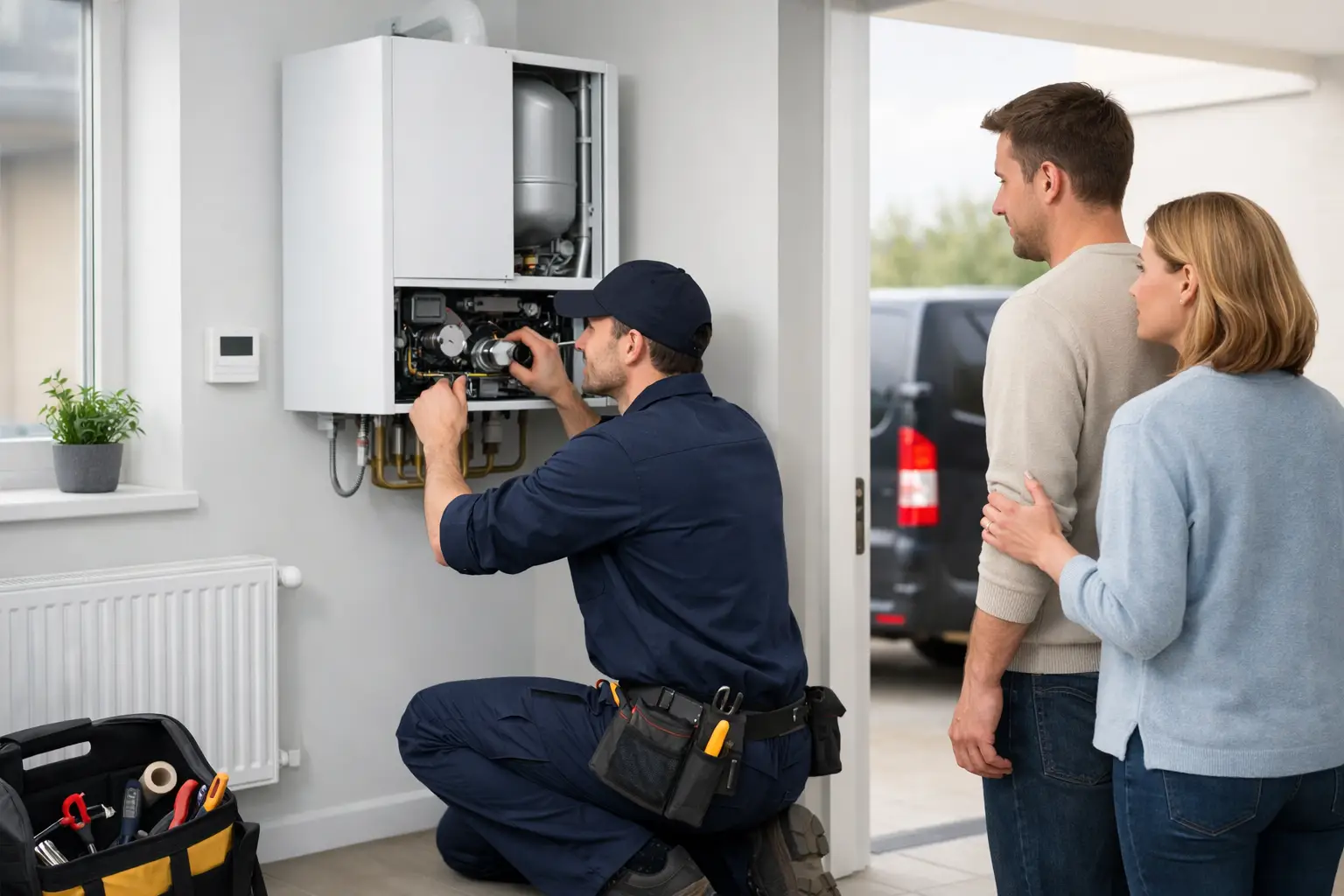
When someone’s boiler packs in or the heating stops working, they are not browsing for fun. They want a heating engineer they can trust, and they want one quickly. That is why a website for heating engineer businesses needs to do one job well – turn local searches into genuine enquiries without wasting anyone’s time.
A lot of heating engineers still get work through word of mouth, repeat customers and the odd recommendation in a local Facebook group. That can be enough for a while. The problem starts when enquiries dip, good referrals go quiet, or you realise competitors are showing up on Google while you are not. At that point, your website stops being a nice extra and starts being part of how you win work.
What a website for heating engineer businesses needs to do
The best trade websites are simple. They are not there to impress other designers. They are there to help a householder decide, within seconds, whether to call you, message you or move on.
That means your site needs to answer the obvious questions straight away. Who are you? What do you do? Where do you work? How does someone get in touch? If a visitor has to dig for that information, you will lose them.
For a heating engineer, trust matters even more than looks. People are letting you into their home, often when they already have a stressful problem. A smart website helps remove doubt. It shows you are a real local business, clearly explains your services, and gives customers a straightforward way to ask for a quote.
There is a trade-off here. Some businesses assume more pages, more design effects and more wording will make them look bigger. In practice, that can slow the site down and make it harder for people to take action. A leaner site usually works better, especially on mobile.
The pages that actually help you get enquiries
A heating engineer does not need a huge website. You need the right information in the right places.
Your homepage should make your main services and service areas obvious. If you install boilers, handle breakdowns, carry out servicing or work on central heating systems, say so in plain English. People should not have to guess whether you cover the job they need.
A service page or two can help if you offer distinct work. Boiler installations and boiler servicing are not the same decision for a customer, so separating them can make sense. The key is not to create pages for the sake of it. If each page answers a real customer need, it earns its place.
You also need a contact page that is easy to use. Phone number at the top, short form, clear service area, no unnecessary fields. If someone has no heating, they are not going to fill in a long questionnaire.
Testimonials matter too, but only if they feel believable. A few genuine customer comments often do more than a wall of polished marketing copy. The same goes for photos. Real images of your work, van or team can help reassure people that you are established and active.
Why mobile matters more than desktop
Most local customers will find you on their phone. They may be standing in the kitchen, speaking to a tenant, or trying to sort an urgent issue before work. If your website is awkward on mobile, that enquiry can disappear fast.
A good mobile site keeps the important bits front and centre. Tap-to-call buttons, short text, clear headings and forms that are quick to complete all make a difference. This is not about fancy features. It is about reducing friction.
Speed matters as well. If a site takes too long to load, people leave. Heating enquiries can be time-sensitive, so every delay works against you. A faster website will nearly always outperform a bloated one, especially for local service businesses.
What customers look for before they contact you
Most visitors are making a quick judgement. They are asking themselves whether you seem competent, local and easy to deal with.
That means they will look for signs such as the areas you cover, the services you offer, and whether your site feels current. An outdated website can make a good business look inactive. Even if your workmanship is excellent, a poor online presence can create doubt where there should be confidence.
They will also notice how hard it is to contact you. If your number is buried, your form is clunky, or your pages are vague, that customer will often go elsewhere. Local trade websites do not fail because they are ugly. They fail because they make simple things harder than they need to be.
There is also the question of quality versus quantity. Some heating engineers want every possible type of enquiry. Others want better-fit jobs in their preferred areas. Your website can help with that by being clear about what you do and where you work. Better clarity usually means better leads.
A professional website helps you rely less on lead platforms
Third-party lead platforms can fill gaps, but they come with drawbacks. You often pay for access to work that several firms are chasing, and there is no guarantee the enquiry is worth your time. Over time, that gets expensive and unpredictable.
Your own website works differently. It gives you an asset you control. Customers find your business, contact you directly and deal with you from the start. That tends to create better first impressions and fewer middlemen.
This does not mean referrals stop mattering. They still do. But relying on one source of work is risky. A website gives your business another route for steady local enquiries, which is useful when word of mouth goes quiet or the season changes.
What makes a heating engineer website practical to run
The problem many tradespeople have is not understanding why a website matters. It is finding time to deal with one. If you are quoting, fitting, travelling and sorting paperwork, the last thing you need is a website that creates more admin.
That is why the setup behind the site matters as much as the design on the front. Hosting, updates, forms and the basic Google setup all need to be handled properly. Otherwise, the website becomes another half-finished task sitting on your list.
A managed service makes more sense for many heating engineers than paying a large upfront cost or trying to patch things together yourself. The appeal is straightforward: predictable monthly cost, fast launch, and no technical hassle. If the site is built for local trades from the start, you avoid paying for things you do not need.
That is also where niche focus helps. A service built specifically for local trades businesses understands what your customers are actually looking for. It is not trying to turn your site into a brochure for a design award. It is trying to help you get more calls and quote requests.
Common mistakes to avoid
One common mistake is making the site too vague. If it just says you offer heating services, that is not enough. Customers want specifics. Boiler repairs, servicing, installations, radiator work, central heating issues – clear wording helps the right people contact you.
Another is trying to say too much. Long blocks of text can work against you, especially on mobile. Keep the wording practical and useful. A heating engineer’s website should feel easy to scan.
The third mistake is neglecting basic trust signals. If there are no reviews, no real photos and no obvious service areas, the site can feel unfinished. You do not need dozens of badges and claims. You do need proof that you are a genuine local business.
Lastly, some businesses launch a site and then forget about it. Even a simple website needs occasional updates to stay accurate. If your services change, your area expands, or your phone number is different, those details need to be right.
Is a simple website enough?
For most local heating engineers, yes – if it is built properly. Simple does not mean basic in a bad way. It means focused. The site should help customers find you, trust you and contact you without delays or confusion.
A bigger site is not automatically better. If you have multiple engineers, cover wide areas or offer several service lines, you may need more pages. But if you are a solo operator or small team, clarity usually beats complexity.
That is the real test. Does your website help you win the sort of jobs you want? Does it save time rather than create it? Does it make your business look like a safe choice when someone needs heating work done?
If the answer is no, the issue is not that you need something flashy. You need something that works. Services like Trade Sites UK are built around that idea – getting a professional trade website live quickly, keeping it managed, and making it easier for local customers to get in touch.
A good website will not replace doing solid work or building a good reputation. What it will do is make sure more people see that reputation in the first place, and that is often the difference between waiting for the phone to ring and giving it a reason to.