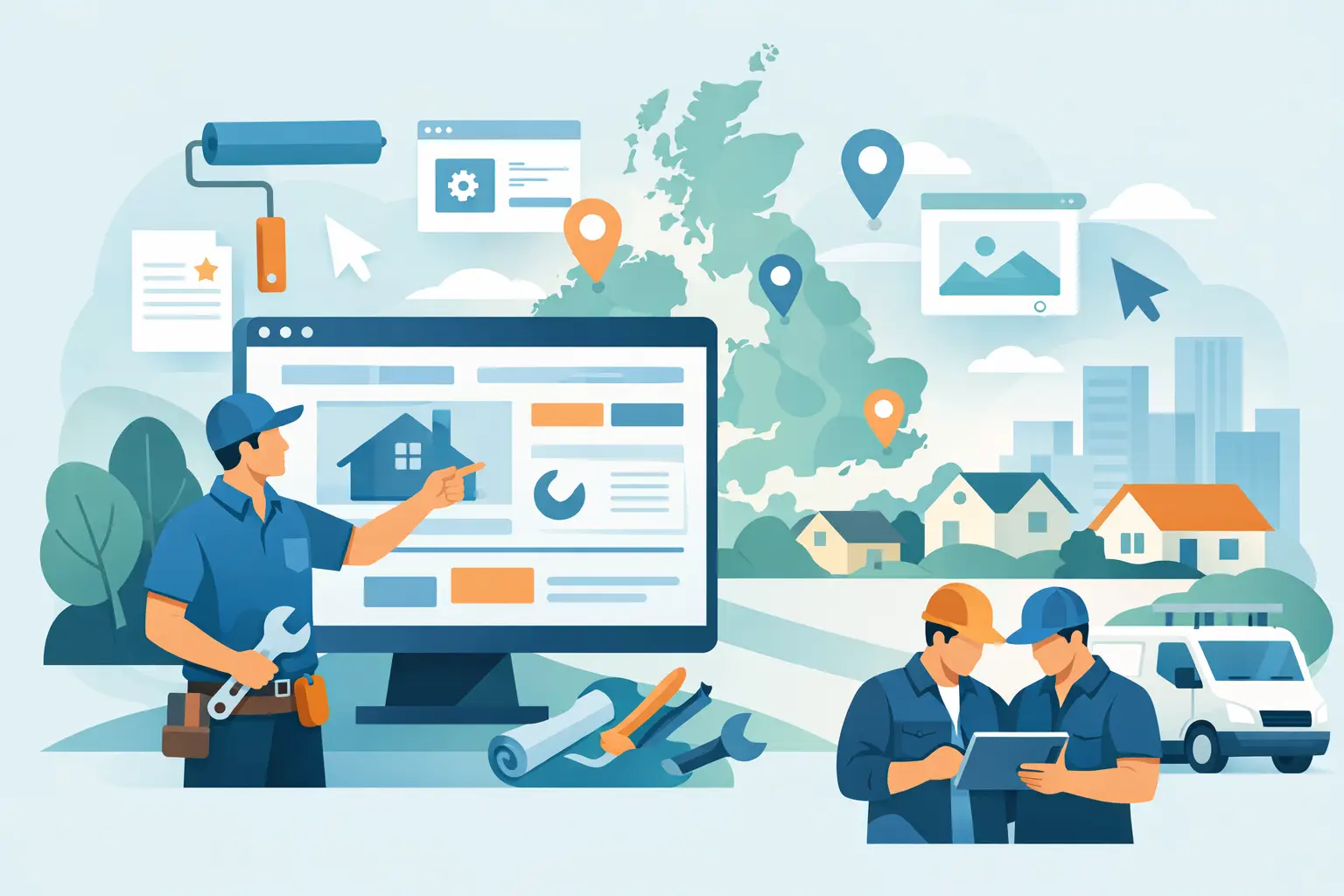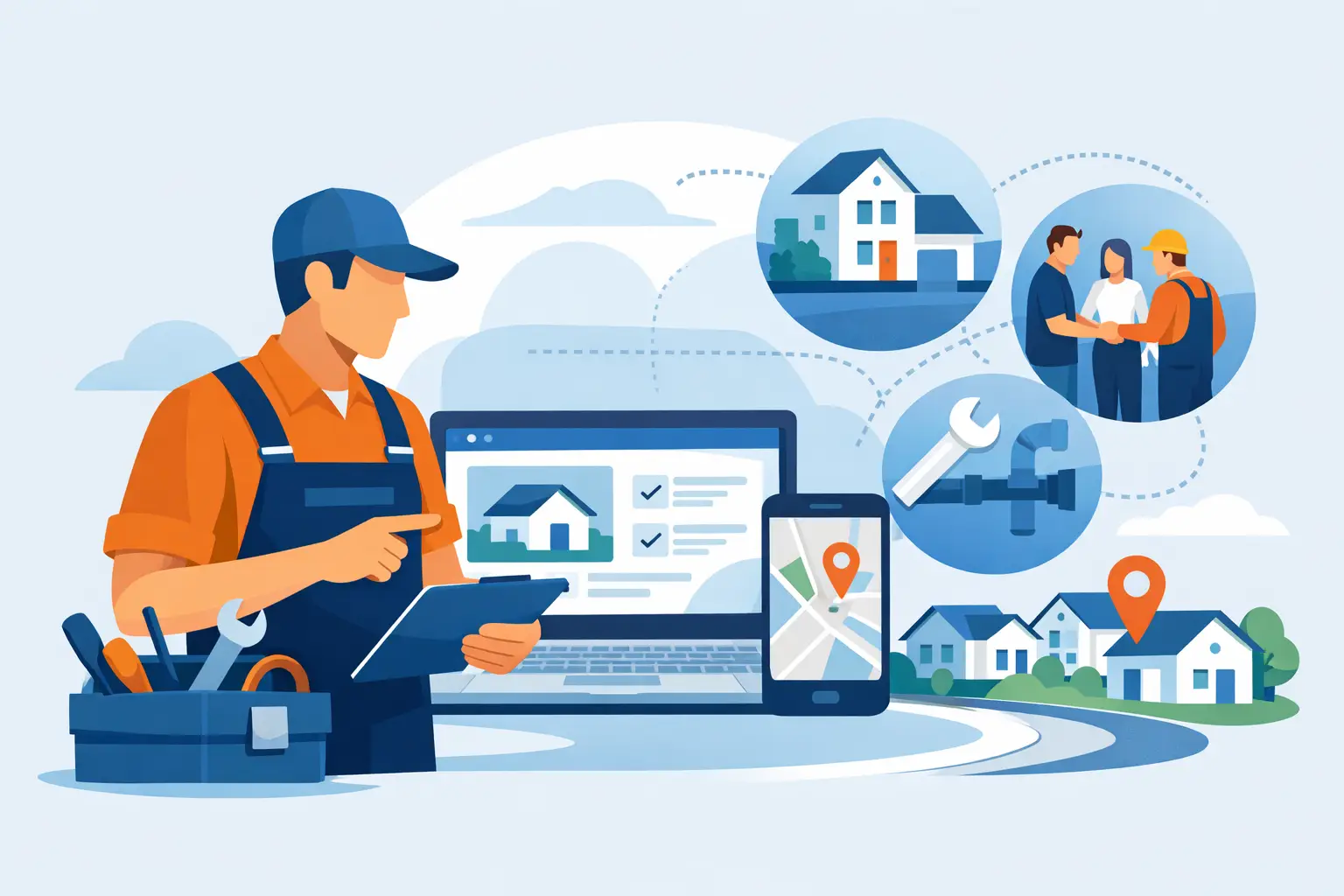
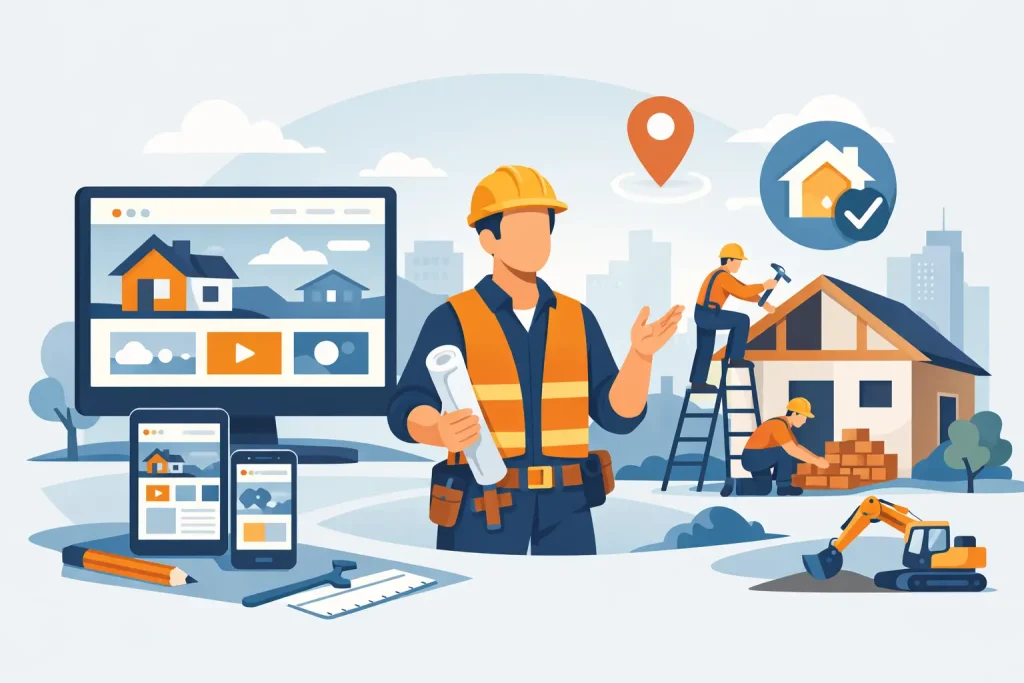
Most builders do not need a flashy website. They need a site that makes a homeowner think, this looks legit, and then pick up the phone. That is what good builder website design is really for. It should help you win local work, look established, and make it easy for people to ask for a quote without wasting your time.
A lot of builders end up with websites that look decent at first glance but do very little. They are slow on mobile, vague about services, missing local areas, or hard to update. Some are built by generalist designers who understand layouts but not how local trade customers actually choose who to contact. Others are thrown together on the cheap and never get finished properly.
If your website is not helping you get more enquiries, it is not doing its job.
What builder website design needs to do
A builder’s website has a simple role. It needs to reassure visitors quickly, show the kind of work you do, and give them a clear next step. Most people looking for a builder are not browsing for fun. They usually have a project in mind, a problem to solve, or a shortlist to make.
That means your website has a small window to make the right impression. If someone lands on your site and cannot tell what you do, where you work, or how to contact you within a few seconds, they will often move on.
Strong builder website design focuses on trust first. Before a customer asks about price, they are looking for signs that you are real, experienced, and local. Clear service pages, photos of completed work, proper contact details, and a straightforward quote form all help. So does a tidy layout that works properly on a phone.
Why builders lose enquiries online
The problem is not always traffic. Often, builders are already getting people to the site through Google, Facebook, Checkatrade, recommendations, or a van sign. The issue is what happens next.
Some sites bury the phone number. Some have one generic page with no detail about extensions, renovations, brickwork, conversions, or general building work. Some have old photos, broken forms, or no mention of the towns they cover. That creates doubt.
Homeowners do not spend long trying to work things out. If the site feels dated or incomplete, they may assume the business is hard to reach or not established. That is harsh, but it is how people judge online.
There is also the mobile issue. A large share of local searches happen on phones. If your site is fiddly to use, slow to load, or awkward to read, you lose people before they even contact you. A good-looking desktop site means very little if it is poor on mobile.
The pages that matter most
Not every builder needs a huge website. In fact, smaller sites often perform better because they stay focused. What matters is having the right pages, written clearly.
Your homepage should explain who you are, what type of building work you take on, and the areas you serve. It should not try to say everything. Its job is to move people towards the next click or a direct enquiry.
Service pages matter because they help both customers and Google understand what you offer. If you handle house extensions, garage conversions, loft work, refurbishments, structural alterations, patios, and general building, those should usually not sit on one vague page. Separate pages give you more room to explain the work and appear for more relevant searches.
An about page can help more than many builders realise. People want to know who they are dealing with. You do not need a life story. A short, credible introduction about your experience, approach, and type of jobs you take on is enough.
A gallery or project page is useful too, especially in building, where proof matters. Real photos of your work are often stronger than any sales line. They show standards, style, and the type of projects you actually complete.
Then there is the contact page. This should be simple. Phone number, email, service area, and a short quote form. No friction. No unnecessary fields. The easier it is to get in touch, the more enquiries you are likely to get.
Builder website design for local search
Most building firms do not need nationwide visibility. They need to show up in the towns and postcodes they actually serve. That changes how a website should be built.
Local relevance comes from clear area mentions across the site, service pages that match what people search for, and consistent business information. If you work in Leeds, Wakefield, and surrounding areas, that needs to be obvious. If you specialise in extensions in South Manchester, say so plainly.
This is where generic web design often falls short. A site can look polished but still be weak for local enquiries because it never clearly connects your services to your area. Good builder website design brings those two things together without stuffing pages with awkward keyword text.
It also helps to think about intent. Someone searching for builder near me, house extension builder in Bristol, or garage conversion company in Kent is much closer to making contact than someone casually browsing social media. Your website should be ready for that person with clear service information and an easy way to enquire.
What customers want to see before they contact you
Most customers are trying to reduce risk. Building work is expensive, disruptive, and personal. They want to feel confident before they make the first call.
That confidence usually comes from a few simple things. They want to see real work, understand the kind of jobs you handle, check you cover their area, and know there is an actual business behind the site. Reviews help. So do accreditations if you have them. But even basic things like consistent branding, decent photos, and clear wording make a difference.
There is a trade-off here. Some builders worry that showing too much detail will encourage time-wasters. Others keep things so brief that serious customers do not get enough reassurance to enquire. The balance is to provide enough information to build trust without turning the website into an essay.
A good site should pre-qualify people quietly. If you show the right services, the right areas, and the right type of projects, you are more likely to attract relevant enquiries and fewer poor-fit ones.
Simple beats clever every time
This is where many websites go wrong. They try to be too creative. Fancy animations, unusual menus, and over-designed pages might win praise from a designer, but they rarely help a local builder get more quote requests.
Simple does not mean basic or poor quality. It means clear headings, sensible page structure, fast loading, readable text, strong calls to action, and a layout that works on mobile. It means a customer can land on the site and know what to do next.
For busy trades businesses, simple also matters on the back end. If getting a website live takes months, needs endless meetings, or leaves you handling updates yourself, it becomes another job on the list. Most builders want the opposite. They want it sorted quickly, for a sensible monthly cost, with someone else handling the technical side.
That is one reason managed services suit many trades firms better than traditional web projects. Instead of paying a large upfront fee and then chasing fixes later, they get a site that launches quickly and keeps working properly. For a lot of small firms, that is the more practical route.
If you’d like to see an example, please check out this plumbing website case study to see what a professional and simple website does for a business.
What to avoid with builder website design
The biggest mistake is treating the website like a brochure rather than a tool for generating enquiries. Looking professional matters, but only if the site also helps people take action.
Avoid vague claims that say nothing. Avoid stock-heavy pages with no proof of real work. Avoid cluttered forms, outdated information, and service pages that are too thin to be useful. Avoid trying to appeal to everyone if your best jobs come from a specific type of work or area.
It is also worth avoiding the trap of set-and-forget. A website is not something you launch once and ignore forever. Photos should be refreshed, details kept current, and forms checked regularly. A site that worked well two years ago can still quietly lose leads if nobody is maintaining it.
A website should earn its place in your business
If your website is only there because every business is supposed to have one, expectations stay low. But if you treat it as part of how you win work, the standard changes.
Good builder website design should support the way your business already grows. It should back up word of mouth, give new customers confidence, and reduce your reliance on expensive lead platforms. It should help you look established even when someone has never heard of you before.
For builders, that usually means a website that is fast, clear, local, and built to turn visits into phone calls or quote requests. No fuss. No gimmicks. Just a site that helps the right customers choose you.
If that sounds obvious, good. The websites that bring in work are usually the ones that keep the basics sharp and make contacting you easy.